For many technology leaders, cloud adoption once meant a simple decision. Move workloads from on premises servers to the cloud and gain flexibility. That era is over.
Today, enterprises face a far more complex challenge. They must support AI workloads, meet strict data regulations, control cloud spend, and still deliver high performance digital products. This is where Cloud 3.0 and hybrid architectures enter the conversation.
Cloud is no longer just infrastructure. It has become an active enabler of intelligence, automation, and business agility.
Understanding Cloud 3.0
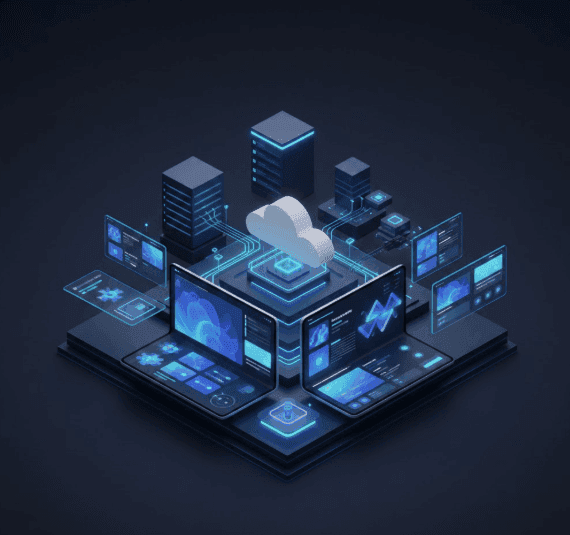
Cloud 3.0 represents the next phase of cloud evolution. Unlike earlier models focused mainly on storage and compute, Cloud 3.0 is designed to support advanced workloads such as AI, real time analytics, and distributed systems.
Key characteristics of Cloud 3.0 include:
• AI native infrastructure optimized for machine learning and data processing • Intelligent orchestration across multiple cloud environments • Built in governance, security, and compliance frameworks • Deep integration with backend systems and APIs
For tech leaders, this shift means cloud strategy is now a board level decision. It directly impacts innovation speed, customer experience, and long term competitiveness.
 1768458476.png
Why Hybrid Cloud Is the Enterprise Default
Pure public cloud or pure private cloud models rarely meet modern enterprise needs. Hybrid cloud architecture combines the strengths of both.
In a hybrid setup, organizations run critical workloads across public cloud, private cloud, and on premises environments while managing them through a unified control layer.
The business advantages are clear:
• Performance sensitive applications stay close to users or data sources • Legacy systems continue operating without forced rewrites • Cloud costs are optimized by placing workloads where they make most sense • Security and compliance requirements are easier to enforce
Hybrid cloud also reduces vendor lock in. This flexibility is crucial as cloud pricing models and AI infrastructure requirements evolve rapidly.
 Hybrid Cloud.png
The Rise of Sovereign Cloud Strategies
Data sovereignty has become a top concern for enterprises operating across regions. Regulations now dictate where data can be stored, processed, and accessed.
Sovereign cloud strategies address this by ensuring data remains under local jurisdiction while still benefiting from cloud scalability and automation.
This approach is especially important for industries such as:
• Financial services • Healthcare • Government and public sector • Large enterprises with global operations
By combining sovereign cloud with hybrid architectures, organizations gain compliance without sacrificing innovation.
 The Rise of Sovereign Cloud Strategies.png
Cloud as an AI Enabler
One of the most important shifts with Cloud 3.0 is its role in AI enablement.
AI workloads demand:
• High performance compute • Low latency data access • Scalable backend systems • Secure data pipelines
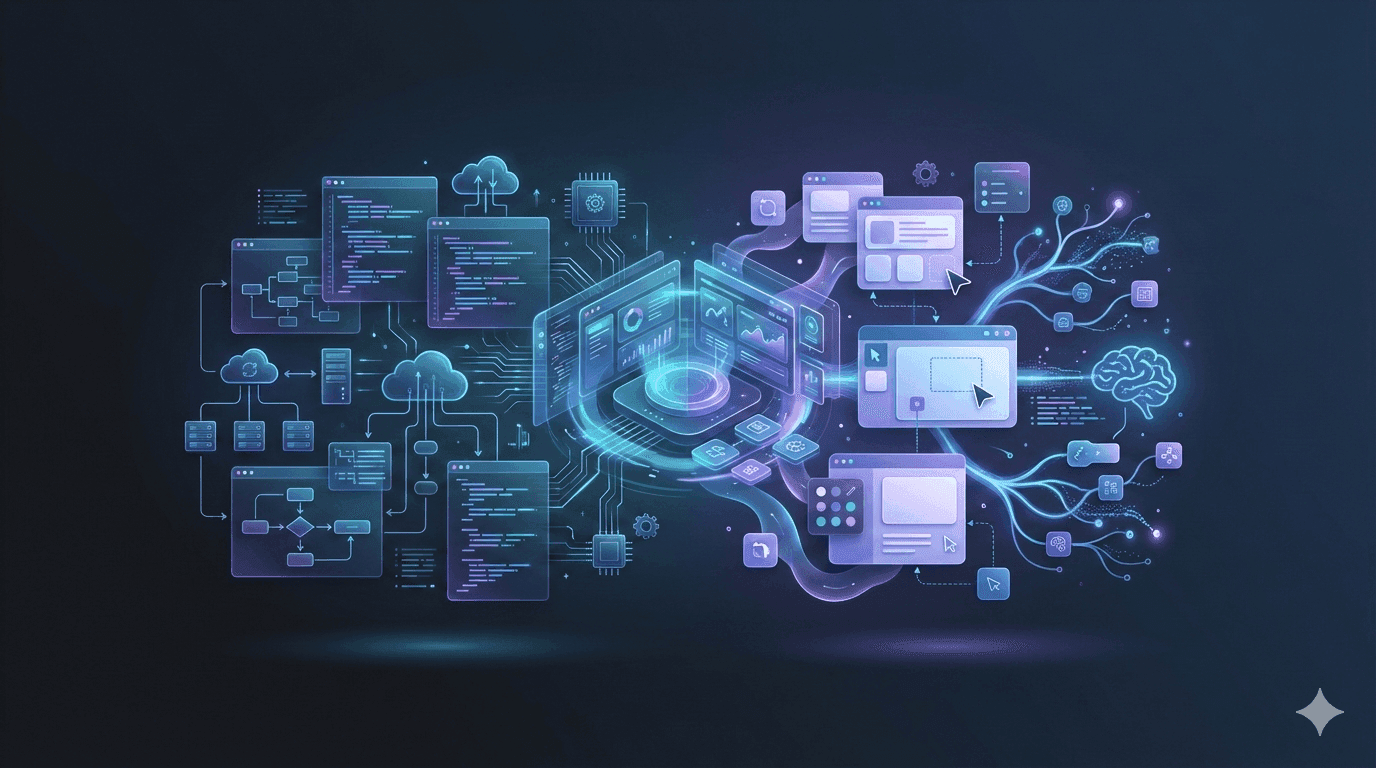
Modern cloud and backend systems are now designed specifically to support these needs. Enterprises that treat cloud as a strategic AI foundation are better positioned to deploy intelligent platforms, automation tools, and predictive systems.
This is where architecture decisions made today will define capabilities for years to come.
 Cloud as an AI Enabler.png
Strategic Considerations for Tech Leaders
Before moving forward, leaders should ask the right questions:
• Which workloads truly need public cloud scale • Where does sensitive data require tighter control • How can backend systems be modernized without disruption • What governance model ensures cost and security discipline
Successful cloud strategies are not built on tools alone. They are built on architecture, experience, and long term thinking.
How DextechLabs Supports Enterprise Cloud Evolution
DextechLabs works with enterprises to design cloud and backend systems that align technology decisions with business outcomes.
Our approach focuses on:
• Cloud architecture design across hybrid and sovereign environments • Backend modernization for scalability and resilience • AI ready infrastructure planning • Security and compliance by design, not as an afterthought
By combining deep technical expertise with practical delivery experience, DextechLabs helps organizations move beyond basic cloud adoption toward true digital transformation.
For teams exploring related solutions, see how our cloud and backend services support enterprise growth.
 dtl.png
Looking Ahead
Cloud 3.0 is not a trend. It is a structural shift in how technology supports business strategy.
Enterprises that invest in hybrid architectures, sovereign cloud models, and AI ready infrastructure will gain resilience, control, and long term flexibility. Those that delay risk rising costs, compliance challenges, and missed innovation opportunities.
The future belongs to organizations that treat cloud not as a platform, but as a strategic capability. If you are evaluating your next phase of cloud transformation, a thoughtful architecture today will define your success tomorrow.