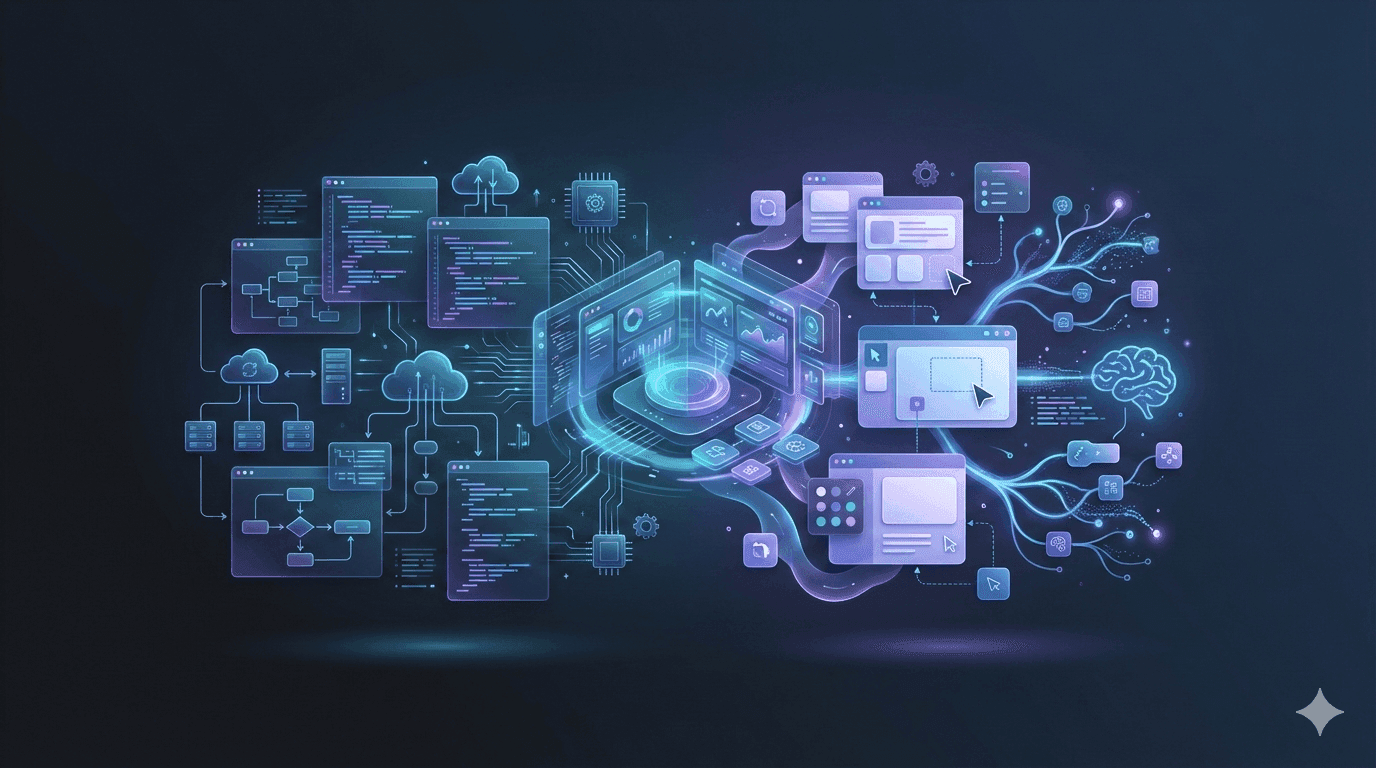
Software development has always been a balance between speed, control, and quality. Today, that balance is being challenged by a new wave of approaches. Vibe coding, no code, and low code platforms are changing how ideas move from concept to product. For founders and technology leaders under pressure to ship faster, these models offer a compelling alternative to traditional workflows.
The question is no longer whether these approaches matter. The real question is how to use them wisely.
What Is Vibe Coding and Why It Matters
Vibe coding is not about replacing engineering discipline. It is about creating in a flow driven environment where developers focus on intent, outcomes, and experience rather than boilerplate tasks. Tools powered by AI, visual builders, and intelligent automation reduce friction in the development process.
Instead of writing every line from scratch, teams describe what they want to build. The system handles repetitive structures, integrations, and setup. This allows developers to spend more time on architecture, logic, and user experience.
For businesses, this means faster experimentation and clearer alignment between product vision and execution.
 What Is Vibe Coding and Why It Matters
No Code and Low Code as Business Enablers
No code and low code platforms take this idea further. They allow non technical users to build functional applications using visual interfaces, logic blocks, and prebuilt components.
This shift is significant because it changes who can participate in building software.
Common use cases include • Internal tools and dashboards • MVPs for startups • Workflow automation • Simple customer portals
For early stage products or internal systems, these platforms reduce time to market dramatically. A concept that once took months can now be validated in weeks or even days.
However, speed alone is not the full story.
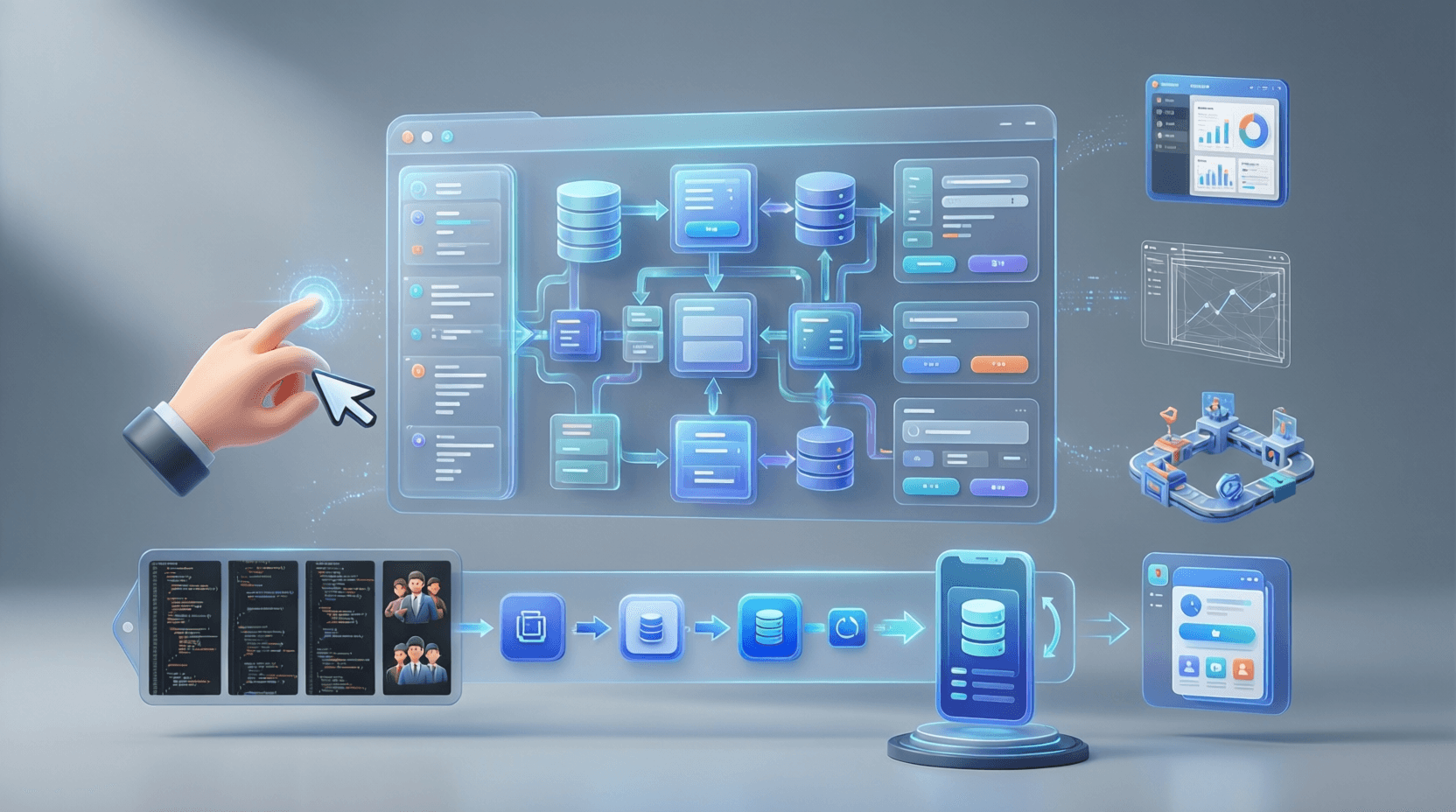 No Code and Low Code as Business Enablers
How Skill Demands Are Evolving
As these tools mature, the skills required to build successful products are changing. Writing code is still important, but it is no longer the only source of value.
Modern teams need • Product thinking and problem framing • System design and integration expertise • Data modeling and logic structuring • Security and scalability awareness
Developers become architects and problem solvers. Business teams become collaborators rather than passive stakeholders. This democratization improves alignment but also introduces new risks when decisions are made without technical oversight.
Where Traditional Engineering Still Wins
No code and vibe driven development are powerful, but they are not universal solutions. Complex systems still require deep engineering.
Custom software is essential when • Performance and scalability are critical • Security and compliance are non negotiable • Systems require complex integrations • Long term flexibility is a priority
Many organizations learn this after hitting the limits of rapid tools. Rebuilding without a strategy can cost more than building correctly from the start.
The future is not about choosing sides. It is about choosing the right level of abstraction for each problem.
 Where Traditional Engineering Still Wins
A Smarter Development Strategy
This is where experienced technology partners add real value. The strongest development workflows combine rapid prototyping with solid engineering foundations.
A balanced approach often looks like this • Validate ideas using no code or low code tools • Test user behavior and business assumptions • Transition core systems to custom architecture • Integrate AI and automation where it adds leverage
This hybrid model protects speed without sacrificing quality.
At DextechLabs, teams help clients make these decisions deliberately. Some projects benefit from quick visual builds. Others demand robust custom development from day one. Knowing the difference is a strategic advantage.
Implications for Founders and CTOs
For decision makers, the rise of vibe coding and no code is an opportunity to rethink how products are built.
Key questions to ask include • What problem are we solving right now • How fast do we need validation • What will this system need in two years • Where does technical debt become risk
Technology choices should serve business goals, not trends.
Looking Ahead
Development workflows will continue to evolve. AI assisted building, visual logic layers, and intelligent automation will become standard tools. Traditional engineering will remain the backbone that supports scale, security, and reliability.
The winners will not be those who chase tools. They will be those who design systems with clarity and restraint.
If you are exploring new development approaches or deciding how to balance speed with stability, a thoughtful technical conversation early can save months later. DextechLabs works with teams to choose the right path, whether that means rapid experimentation or full scale engineering built to last.
The future of development is not less code or more code. It is smarter choices.
 The future of development is not less code or more code. It is smarter choices